razorec

A judge acquitted the Peraire-Bueno brothers in the $25 million Ethereum MEV case. In 2023 they took advantage of a software flaw in certain sandwich bots and extracted the funds in roughly 12 seconds. After a mistrial, the court ruled that prosecutors failed to prove the material misrepresentation required for wire fraud. For anyone new to the topic, MEV is simply the profit some participants extract by seeing and reordering transactions before they are confirmed. The ruling does not declare the practice acceptable. It only says that, on these facts, the government could not show the deception the statute demands. That leaves the boundary between aggressive strategy and federal crime still unsettled. Source:


No likes or recasts yet2

The Optimizely attack reached Ledger’s website and 177 other trusted domains. A compromised experimentation platform turned the copy-paste step into a clipper for Bitcoin, Ethereum and Solana addresses. Hardware wallets still protect the key. What they don’t protect is the assumption that the address you see in the browser is the one you intend to send to. That assumption is what failed. Source:

No likes or recasts yet2

Solana retired its mainnet-beta label and introduced protocol version 1.0. For users nothing changes—balances, accounts and transaction history stay the same—but the network now has a shared protocol version independent of individual validator clients. The move sits on top of Alpenglow’s roughly 150 ms finality and Firedancer’s independent codebase. Maturity here is less about a single announcement and more about the accumulation of live production under real load. Source:

No likes or recasts yetRead 1 reply

MARA sold 13,597 $BTC for roughly $1.1 billion and used most of the proceeds to fully repay its bitcoin-backed loans, freeing more than 17,000 coins from collateral. The company is now openly treating the remaining balance as a funding source for AI data-center projects. When one of the larger public miners shifts from retaining nearly everything it mines to using bitcoin as working capital for a different infrastructure business, the market receives supply that is less sensitive to short-term price. It will be interesting to see how other public miners respond if this approach becomes more common. Source:

No likes or recasts yetRead 1 reply2

Elysium, the first dedicated L2 for the Hyperliquid ecosystem, has launched its mainnet. Built by Kinetiq, it runs ~100 ms blocks, uses HYPE as native gas, and settles to HyperEVM. Day-one applications include trading partners already active on the chain, with deeper HyperCore order-book integration scheduled roughly four weeks later. The design expands execution capacity for the existing venue. With liquidations still in the market and Bitcoin testing lower levels, early activity will show whether liquidity moves or stays thin in the first hours. Source:

No likes or recasts yetRead 1 reply

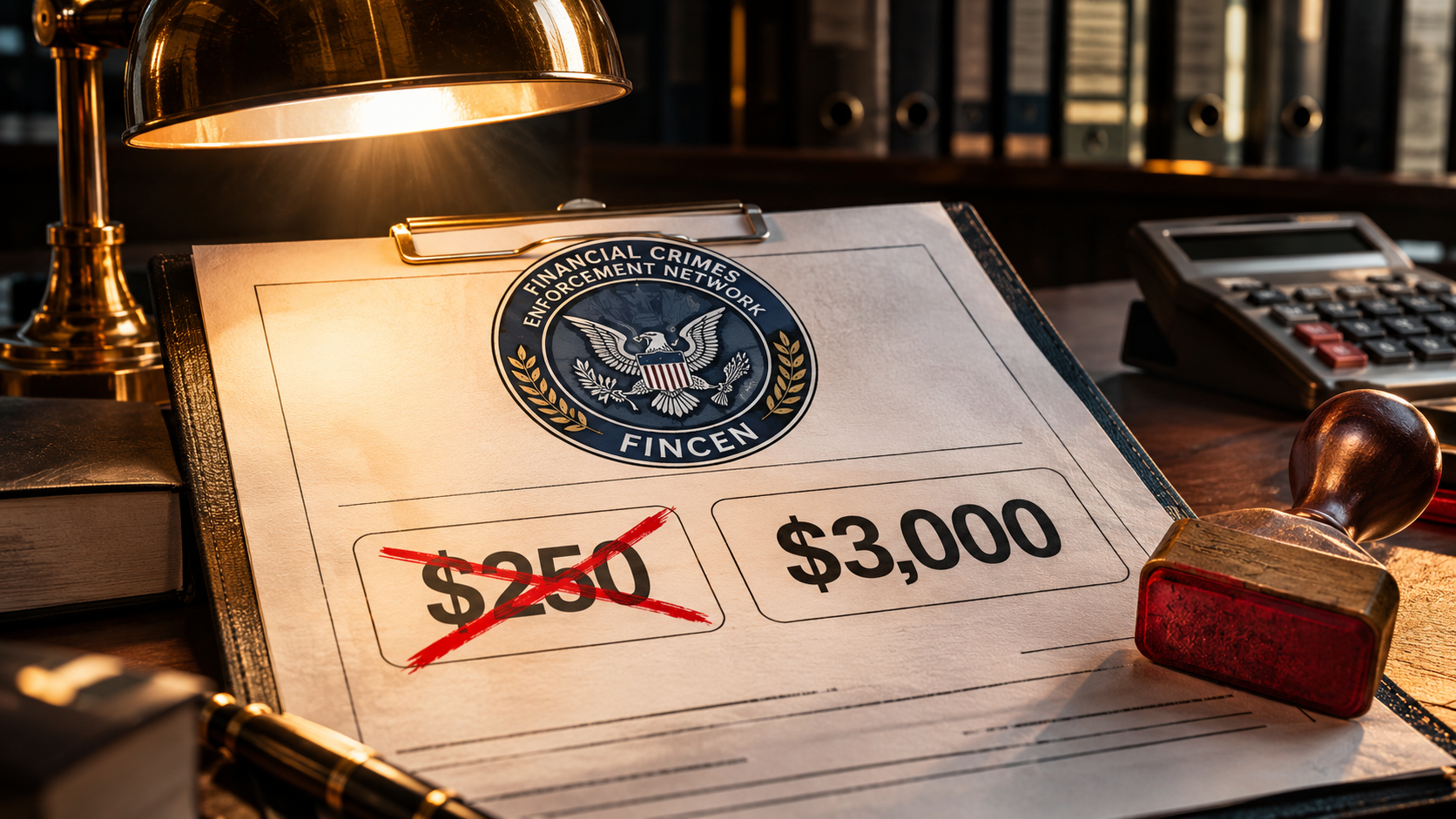
FinCEN and the Federal Reserve withdrew the 2020 proposal that would have lowered the cross-border Travel Rule threshold from $3,000 to $250 for convertible virtual currencies. The existing $3,000 threshold remains in place. After sitting idle for more than five years, the idea is off the table. For exchanges and users, it means smaller transfers stay outside that reporting layer. Source:

No likes or recasts yetRead 1 reply

Zcash $ZEC activated NU7 at block 3,543,405. Target block time dropped from 75 seconds to 25, daily issuance stays the same, and 60 percent of fees now go into a reserve that starts feeding miner rewards around 2031. The original Sprout pool is now unspendable, locking roughly 12,224 ZEC. While equities and Bitcoin digested an AI-driven selloff and over a billion in liquidations, this privacy network adjusted its long-term security budget and transaction speed. The practical test is whether private payments become noticeably more usable or whether most activity stays in the transparent layer. Source:

No likes or recasts yet

Mercado Bitcoin, Brazil’s largest exchange, just confirmed a multi-chain hack that drained roughly $40-46 million and pledged to make users whole. Tether froze some of the related $USDT and the exchange published destination addresses. It comes days after Binance’s record theft. The explicit commitment to cover losses is a stronger response than many have seen, but it still leaves the core question open: how many more of these do we need before hot-wallet risk is treated as a systemic issue rather than an occasional incident? Source:

No likes or recasts yetRead 1 reply2

Binance reopened withdrawals after the $6.3 billion hack and recorded $3.64 billion in net outflows during the first nine and a half hours, equal to 2.1 % of assets under management. The exchange covered 95 % of the losses from its own reserves while withdrawal volumes began to stabilize. Most users stayed. The episode shows how the largest venue absorbed a state-linked theft without socializing the loss, and how actual user behavior differed from the initial headlines. Source:

No likes or recasts yetRead 1 reply

Chainalysis disclosed that an external actor using offensive agentic techniques accessed some customer data (names, emails, user IDs and role labels). No evidence of access to investigation content or credentials. The firm stated the incident is unrelated to the Binance theft. The timing is notable: the primary tools used to trace the largest crypto heist are themselves reporting a security event. Source:

No likes or recasts yet

Binance has replaced 90% of the roughly $6.3 billion taken on October 29 and is targeting a Sunday restart of withdrawals. Customer balances for major assets are fully backed, with the exchange absorbing the loss through corporate funds and SAFU. Analytics firms point to TraderTraitor. The scale is historic, and the operational response is moving quickly even as attribution and on-chain freezes continue. Source:

No likes or recasts yet2

Ripple received final OCC approval for its National Trust Bank, which will manage $RLUSD reserves and offer fiduciary digital-asset custody once open. Issuance stays with the NYDFS-regulated entity, so the setup keeps dual oversight. For a stablecoin already above $2.5 billion in market cap, the federal layer on reserves is a concrete operational step rather than just a regulatory signal. It also expands the institutional custody offering under the same charter. Source:

No likes or recasts yet
You're all caught up